
Chapter 3
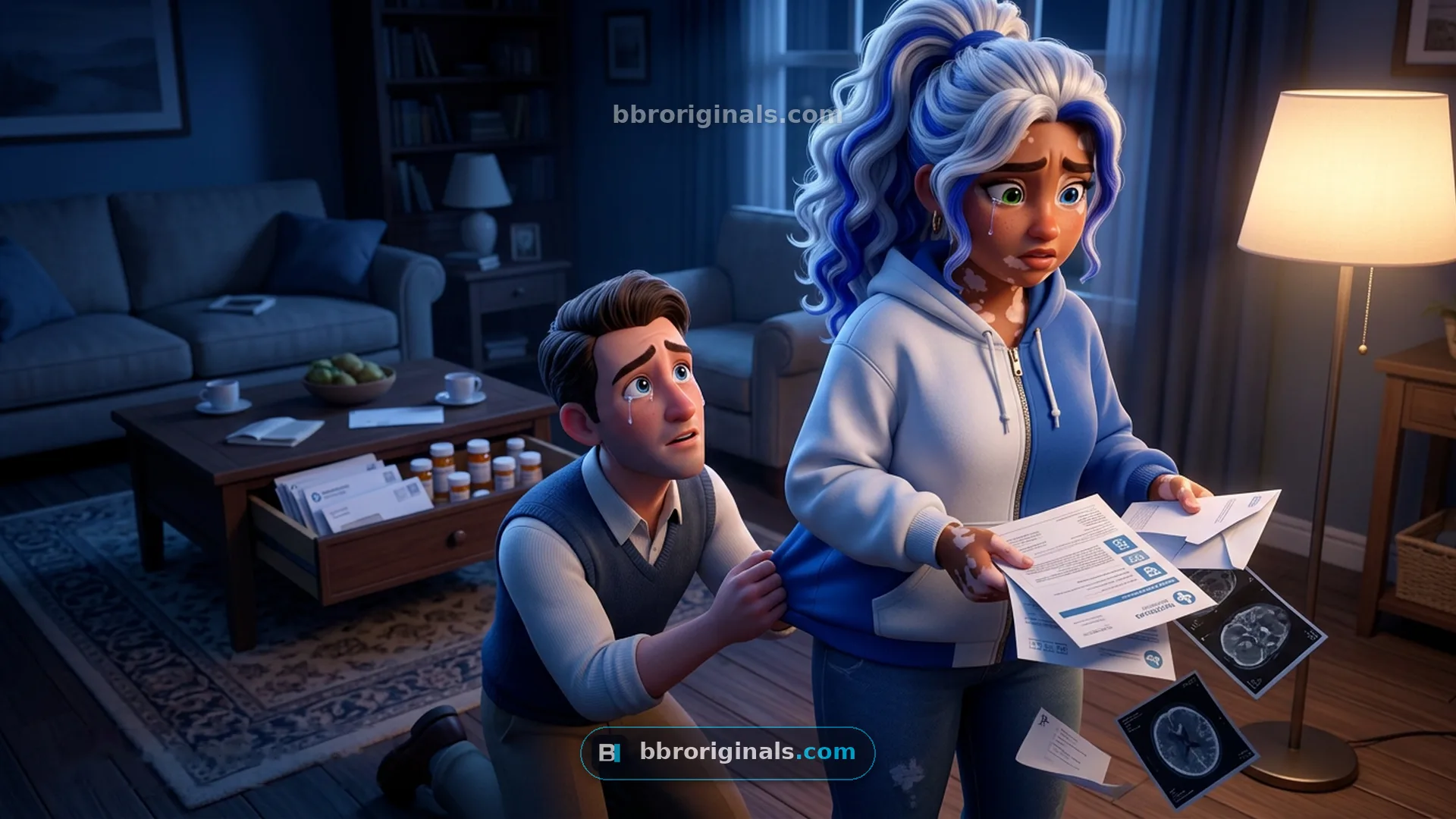
Three weeks after I found that group chat on my phone, a back tooth on the left side of my mouth started hurting so badly I couldn't chew solid food.
I didn't tell Jonathan about the toothache.
After seeing the messages where he told my sister and my boss that I was losing my mind, fear had settled in my chest.
Every morning before he left for the high school, I pretended to be asleep while he kissed my head, and I waited until his car pulled out of the driveway before getting out of bed.
On a Wednesday morning in October—exactly nine months after my night in the emergency room—I put on a pair of jeans that were now two sizes too big for me, grabbed my car keys, and drove ten minutes down the road to Bright Smile Dental Clinic.
Walking from the parking lot to the clinic door left me gasping for breath, with sweat trickling down my neck in the cool autumn wind.
"Elena? Goodness, it's been a while!"
Nina, the dental assistant who had cleaned my teeth for five years, smiled as she led me back to Chair 2.
When I took off my coat and sat down, her smile faded a little.
"Are you feeling okay, hon? You've lost a lot of weight since last year."
"Just been really tired lately," I said weakly, leaning my head back against the plastic headrest as she clipped a blue paper bib around my neck.
"My back bottom tooth has been hurting for three days."
"We'll take a quick picture of it right now," Nina said, sitting on her rolling stool and clicking her mouse to open my file on the computer screen beside my chair.
"Our clinic finally joined the same digital chart system as City Hospital last month, so it takes a second to load all the new records... Oh, here we go."
Nina leaned closer to the monitor, her eyes moving across the screen.
"Okay, before I put the X-ray vest on you, I just need to update one thing on your medical chart," Nina said casually, her fingers resting on the keyboard.
"Are you still doing radiation or taking medicine for the tumor on your left kidney, or are you all finished with treatment?"
I blinked up at her.
"What did you just say?"
"Your kidney," Nina said, turning her head to look at me.
"The hospital chart says you have a mass on your left kidney. I just need to mark down if you're currently on cancer medicine before we use the X-ray machine."
I let out a short, nervous laugh and sat up in the chair.
"Nina, you have the wrong person's file open. I don't have a tumor. I went to the emergency room in January for a kidney stone."
Nina frowned and looked back at the screen.
"Elena Marie Foster? Born May fourteenth, living on HillCity?"
"Yes, that's me, but somebody at the hospital made a mistake," I said, my heart starting to thump hard against my ribs.
"The doctor told me the stone passed on its own. Nobody ever said anything about a tumor."
Nina's face went pale.
She turned the computer screen slightly so I could see the red warning box flashing at the top of my digital page.
"Elena," she whispered, pointing a gloved finger at the words on the screen.
"This isn't a kidney stone note. This was entered by the hospital scan department on January fifteenth. It says Renal Cell Carcinoma—Left Kidney. That means kidney cancer."
I didn't let her check my tooth.
I pulled the paper bib right off my neck, grabbed my coat and my handbag with shaking hands, and walked straight out to my car.
Fifteen minutes later, I pushed through the glass doors of City Hospital and walked fast to the Medical Records Office on the ground floor.
My lower back was throbbing, and my breath was coming in short, sharp gasps as I sat down at Desk 3 under the bright white ceiling lights.
"Can I help you, ma'am?" a young clerk with a name tag that read Moses asked.
I slapped my driver's ID card onto the counter.
"My name is Elena Foster. I was in your emergency room on the night of January fourteenth for a kidney stone. My dentist just looked at my shared computer file and told me it says I have kidney cancer. Somebody mixed my scan up with another patient, and I need you to fix it right now."
Moses picked up my ID card and typed my name into his computer.
For a long minute, the only sound was the clicking of his keys.
As he read the screen, his eyebrows pulled together.
"Ma'am, there's no mix-up here," Moses said softly.
He hit print, pulled two warm sheets of paper from the machine beside his desk, and slid the first one across the counter to me.
"When you came in at two in the morning, the night doctor looked at a quick scan to check your kidney stone and sent you home at four. But at nine o'clock that morning, the head scan doctor did the required final review of your pictures."
I looked down at the paper.
The paper rattled between my fingers.
"While looking at the stone," Moses explained gently, pointing to the middle paragraph,
"the head doctor spotted a separate, two-centimeter lump on the outside edge of your left kidney. It was Stage 1 kidney cancer."
I stared at the typed sentences at the bottom of the page:
Incidental finding: 2cm Stage 1 malignant mass on left kidney. At this early stage, standard treatment is simple keyhole surgery to remove the spot, with a 95% full cure rate. No chemotherapy needed. Urgent patient contact required.
"Ninety-five percent cure rate?"
I whispered, tears spilling over my eyelashes and landing on the paper.
My voice rose into a shout that made people in the waiting chairs turn around.
"If I had cancer in January, why didn't anyone call me?! I have been sick for nine months! Why didn't this hospital call me?!"
"Ma'am, please lower your voice—we did call," Moses said, looking startled.
He slid the second printed sheet across the desk.
"This is our official phone log. Because the lump was cancerous, the doctor's nurse called the primary mobile number listed on your intake clipboard three separate times."
I looked down at the phone number printed at the top of the call log.
It wasn't my number.
It was Jonathan's mobile number—the one he had written down while kissing my forehead and promising to protect me from billing calls.
"Look at the notes from January fifteenth, January eighteenth, and February second," Moses said, pointing at the bottom box on the page.
I read the nurse's typed words out loud, my voice breaking on every word:
"Spoke directly with patient's husband and medical contact, Jonathan Foster. He was fully informed of the Stage 1 cancer mass. He stated his wife has a severe fear of local hospitals and that they have already arranged private cancer surgery at a specialist clinic in another state. He declined local doctors and asked us to stop calling. Case closed."
"Are you okay, ma'am? Do you need a doctor?"
Moses asked, standing up from his chair as I backed away from the desk.
I couldn't answer him.
Clutching the two papers to my chest, I ran out of the hospital and across the concrete parking lot to my car.
I got into the driver's seat, and pressed the lock button down.
My whole body was trembling so violently that when I tried to put my key into the car, I dropped it onto the floor mat.
"He knew," I gasped out loud to the empty car, grabbing the steering wheel to keep from falling sideways.
"All these months. He knew."
Every moment from the last nine months flashed through my mind.
The night sweats in April when he took my phone out of my hand and cried, telling me I was just depressed.
The day in July when I nearly fainted in the kitchen and he made me quit my job at the bank.
The way he smiled and sang in the kitchen while I got weaker and thinner every single week.
With shaking fingers, I pulled my iPhone out of my bag.
Two years ago, Jonathan had set up a shared home computer storage app so we could keep our tax papers and house photos in one place.
It automatically saved copies of every folder on his personal laptop at home.
He had never changed the family password because I had never once looked through his things.
I opened the app, typed in the password, and clicked on the backup for Jonathan's Laptop.
Right next to his school folders was a locked folder created on January twentieth—five days after the hospital nurse called him.
The folder was named Taxes 2024, but when I tapped it open, there were no tax forms inside.
First, there were twelve saved screenshots from his internet search history in late January:
How fast does untreated kidney cancer grow?
How long does it take Stage 1 kidney cancer to spread to Stage 3 or 4?
What are the signs that kidney cancer is getting worse?
Right below the screenshots was a text file he had been adding to every week for eight months.
The title at the top of the first page made my stomach twist:
The Long Goodbye: Supporting My Wife Through Terminal Illness.
It was ten pages of pre-written online diary posts.
He had written them in advance, getting ready to share them with our friends, our church, and his coworkers the moment I got too sick to ever leave a hospital bed—painting himself as the brave, brokenhearted husband who had cared for his dying wife day and night.
I read the last line Jonathan had typed only two nights ago:
Elena is fading faster every week now, and though my heart is breaking, I thank God every day that she is finally quiet enough to let me love her completely.
More stories like this
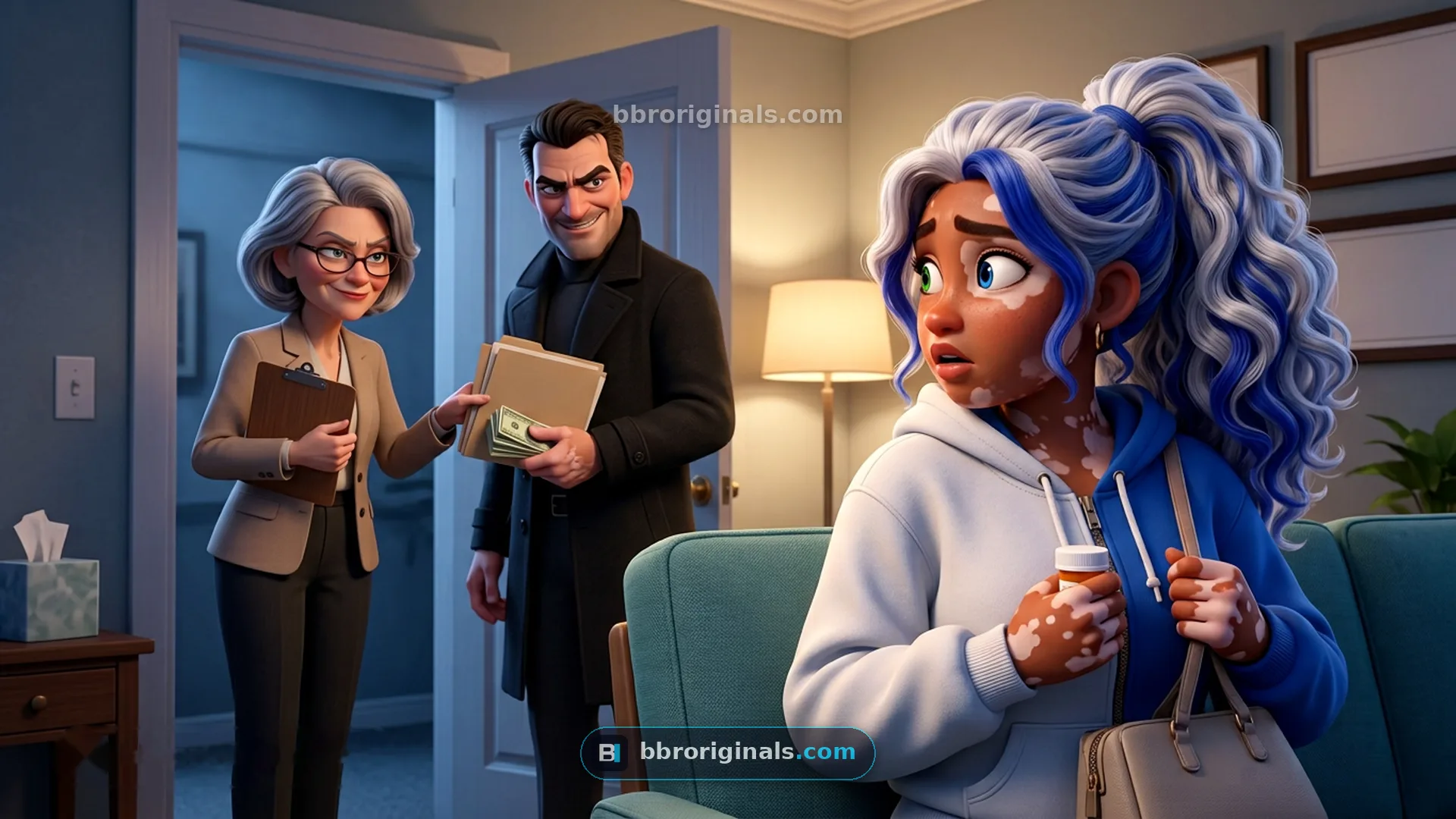
Marriage & Relationships
My Therapist Was Secretly Working For My Abusive Husband…
POV: YOU THOUGHT SHE WAS A THERAPIST, BUT...
Content warnings
- Violence
- Manipulation
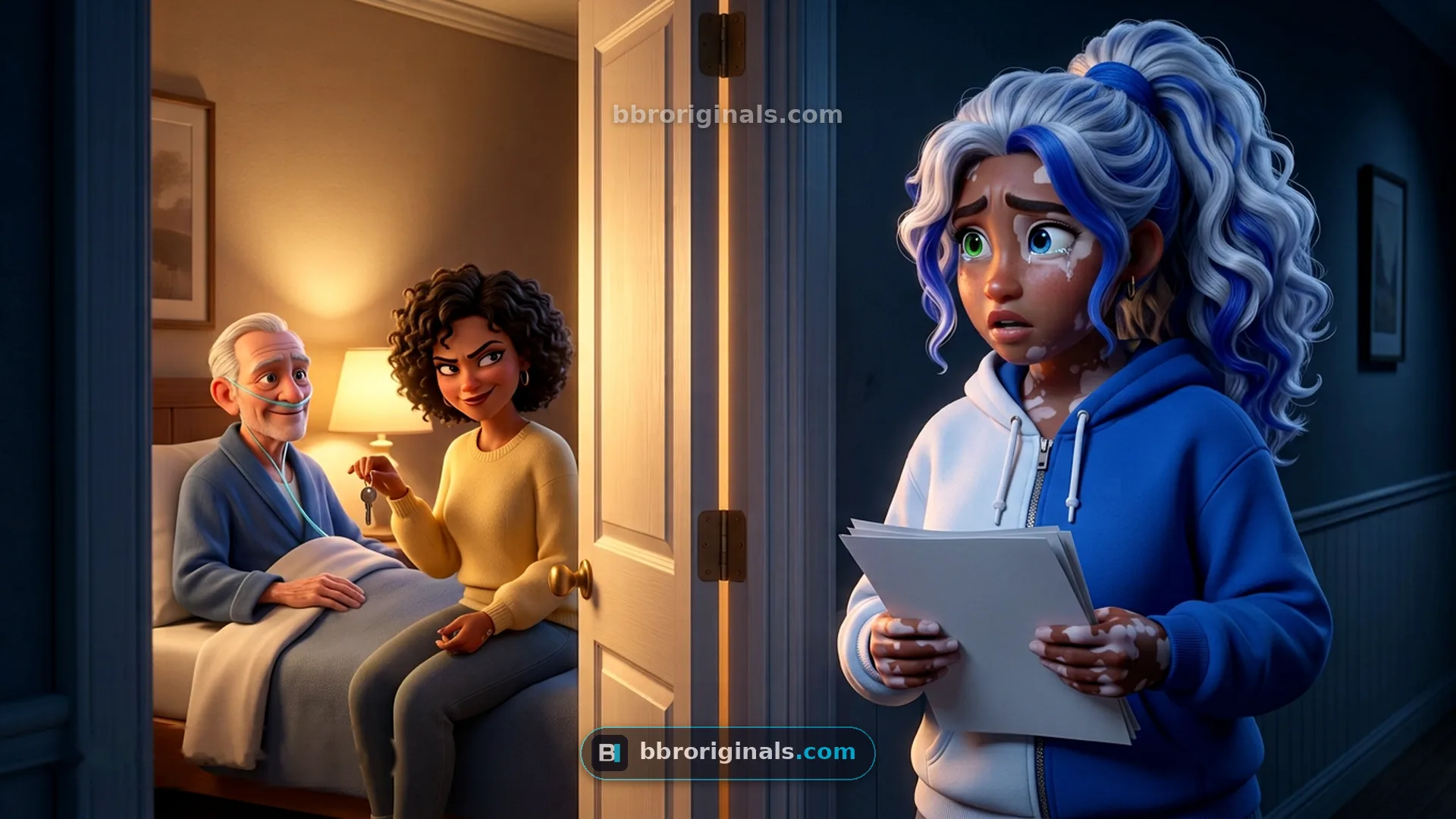
Family & In-Law Conflict
I Hired An Actress To Be My Friend.. Then She Took Over My Life
POV: I LIED TO MY DYING FATHER ABOUT MY BEST FRIEND
Content warnings
- Grief and bereavement
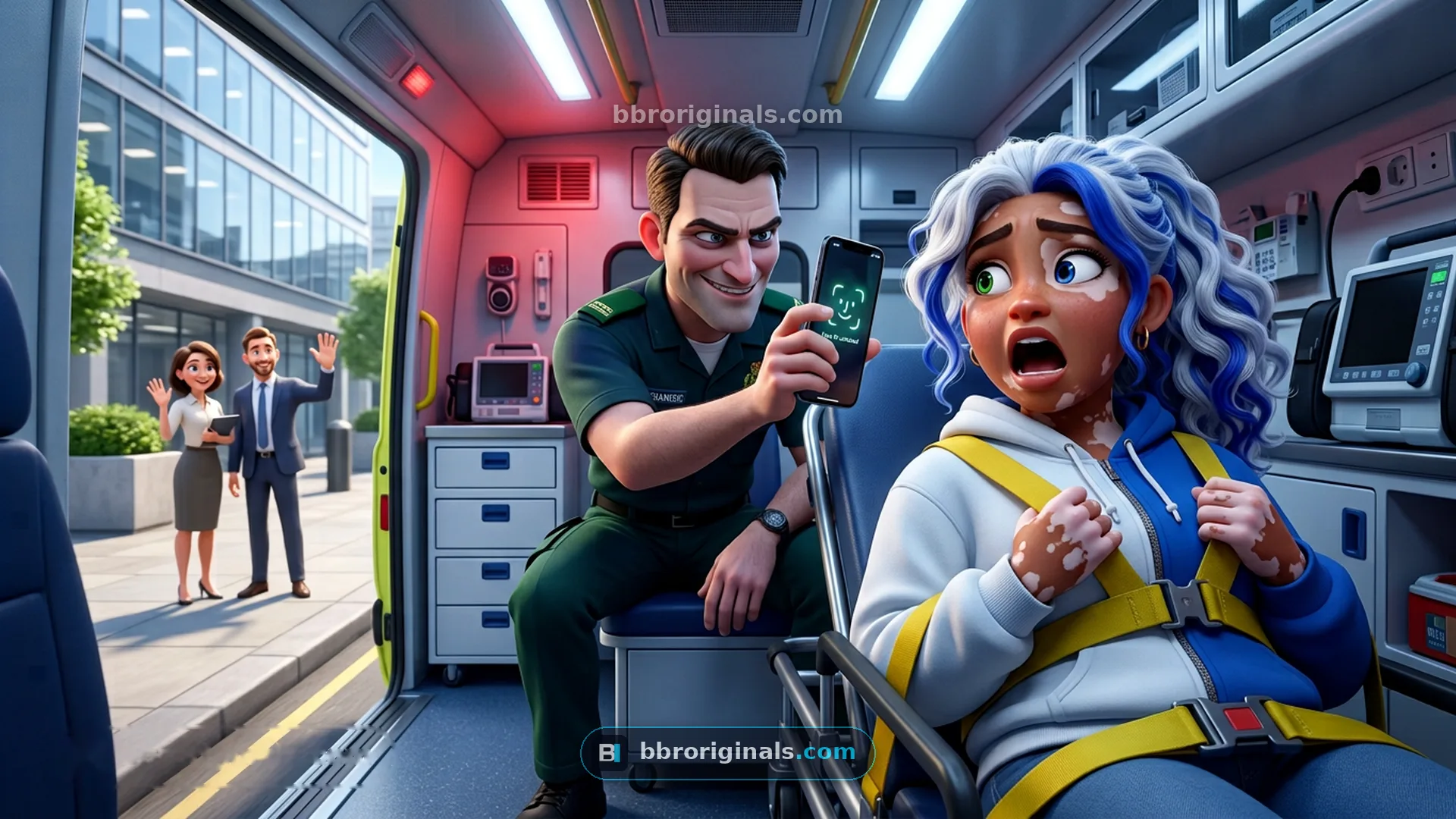
Personal Confessions & Emotional Wounds
Nobody Believed The Paramedic Was Kidnapping Me...
POV: YOU MOCKED GOD THEN THIS HAPPENED
Content warnings
- Violence
© 2026 BBR Originals. This story is protected by copyright. Please share the link rather than copying the text. Content-use policy
Reader comments
Share what this story brought up for you. Please be kind to other readers. Links are not allowed. We may remove comments that break these rules.
No comments yet. You can be the first to write one.
Write a comment